- Events build friendships that chats cannot because people share a task and meet as equals.
- Mix people on purpose, give them small jobs, keep events small and include those who usually stay home.
- The follow-up after an event, like a thank-you or a next date, is where friendship really starts.
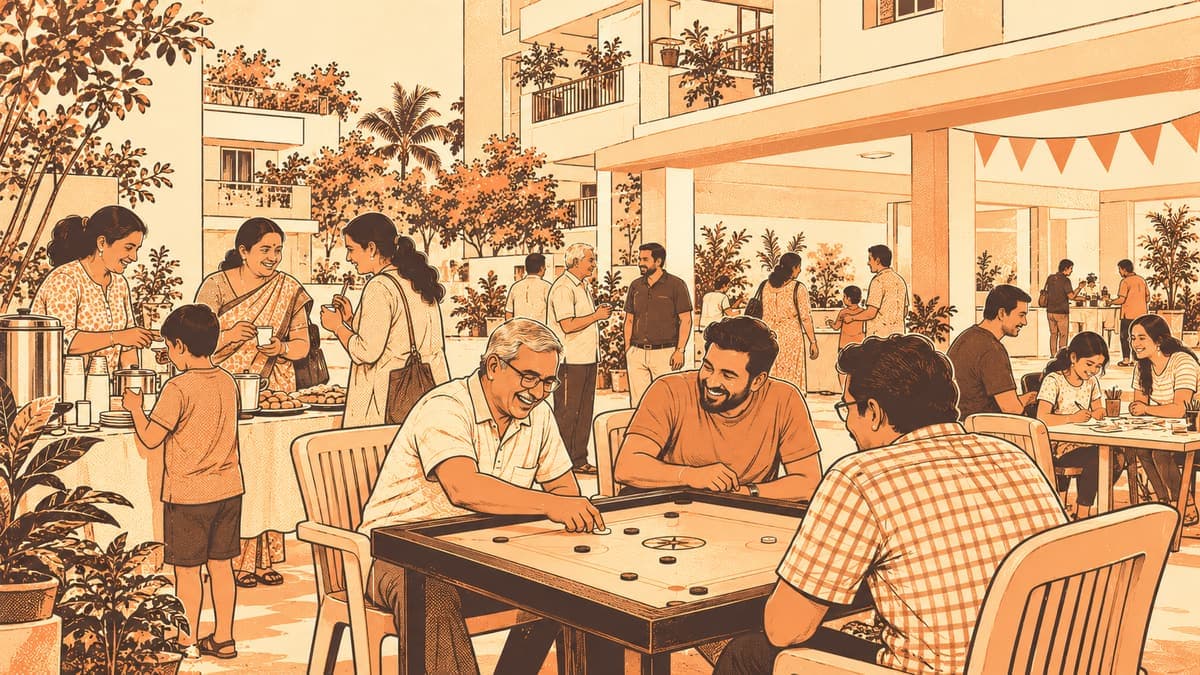
You can live three floors above someone for six years and know them only as "the uncle with the grey Activa". You nod at the lift, you complain together when the tanker is late, and that is it. Then one evening there is a carrom tournament in the clubhouse, you end up on the same team, and by the end of the night you have swapped stories about your hometowns and made a plan for Sunday breakfast.
That is the quiet power of a local event. It turns a familiar face into a person with a name, a story and a reason to say hello.
But not every event does this. Plenty of functions end with everyone sitting in the same rows they arrived in, talking to the people they already knew. This article is about the difference: what makes an event create friendships, not just attendance.
Why events work when chats don't
A group chat with 300 members is useful for notices about the water cut, but it rarely makes friends. Messages scroll past, people stay polite, and the loudest few do most of the talking.
An event changes three things at once:
- People share a small task. Stirring the Pongal pot, holding a ladder for the decorations, keeping score at cricket. Doing something side by side is easier than making conversation from nothing.
- People see each other more than once. Friendship tends to grow from repeated, easy contact. A monthly meetup does more than one grand annual function.
- People meet as equals. At a kolam contest, the retired bank manager and the college student are both just people with chalk on their hands.
If your event offers all three, friendships tend to follow on their own.
Design the event for conversation
Here are small design choices that make a big difference.
Mix people on purpose
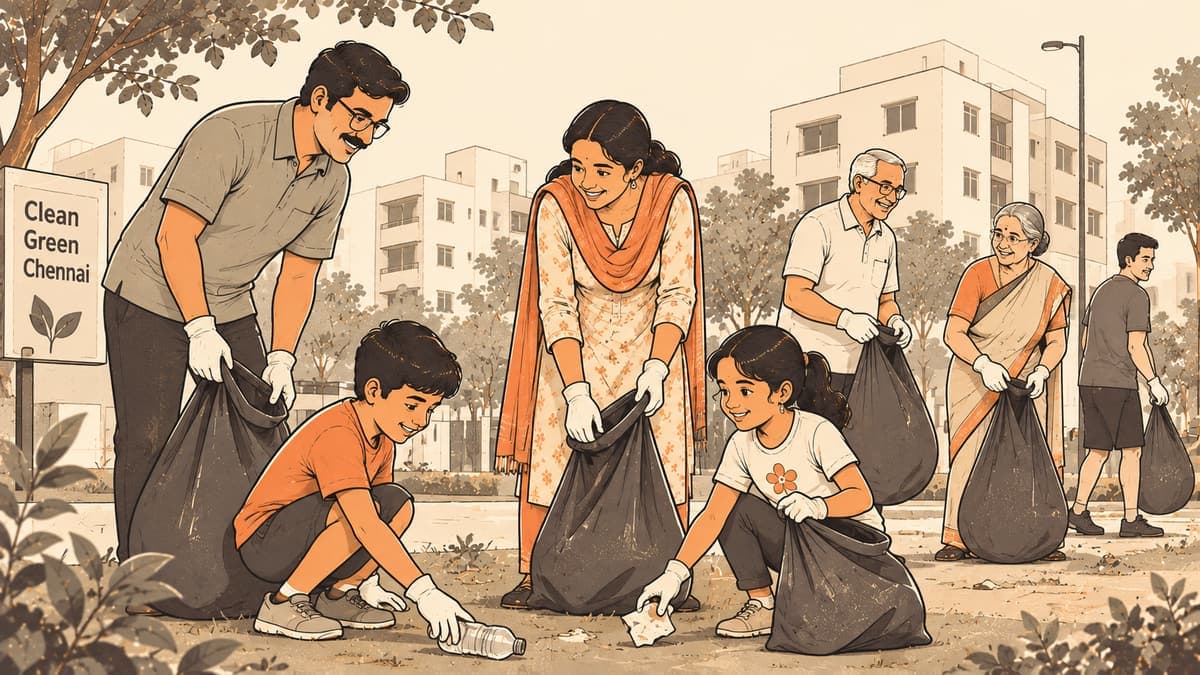
At a quiz night, form teams by drawing names from a bowl instead of letting families sit together. At a cleanup drive, pair a newer tenant with someone who has lived on the street for years. A little nudge at the start saves a lot of awkwardness later.
Give people something to do with their hands
Standing around with a paper cup of tea is hard for shy people. Give them a job: arranging flowers, setting up the projector, handing out sundal. A job is a ready-made conversation starter.
Keep it small enough to talk
Twenty people around one table get to know each other. Two hundred people facing a stage do not. If your apartment is large, run several small events rather than one big one: a block-wise breakfast, a floor-wise games night.
Include the people who usually stay home
Think of the elderly couple who cannot manage the stairs, the new mother with a baby, the IT engineer on night shifts. A Saturday morning slot in the ground-floor lobby works for more people than a late-night terrace party.
The follow-up is where friendship happens
The event ends, everyone goes home, and on Monday morning the lift is just as silent as before. That is the most common way good events fail to turn into friendships.
A few simple habits fix it:
- Share the photos the next day. It gives everyone a reason to talk about the event again.
- Say thank you by name. "Thanks to Priya aunty for the vadai and to the boys from C block for the chairs" makes people feel seen.
- Announce the next one before people forget. "Same time next month" is the most powerful sentence an organiser can say.
- Start a small group around the shared interest. If six people enjoyed the badminton, give them a place to keep talking.
Say you live in a gated community off OMR and run a Sunday chess morning. The first week, four people come. If you post the next date the same afternoon, thank those four, and let them bring a friend, by the third month you may have a regular group who greet each other on the walking track every day.
Small events that work especially well
Not every event needs a stage and a sound system. These lighter formats are often better for making friends:
| Event | Why it works |
|---|---|
| Sunday filter coffee in the lobby | No sign-up, people drift in and out, easy to talk |
| Plant swap on the terrace | Gardeners love to explain their plants |
| Kids' drawing hour | Parents chat while the children are busy |
| Evening walk group | Walking side by side makes talking easy |
| Monsoon preparedness meet | A shared concern brings out practical neighbours |
For more on turning online chatter into real meetings, read how online conversations become real-life meetups.
Where Zinola fits
Zinola is a free neighbourhood app for Chennai, and its events and people features are built for exactly this kind of slow, steady friendship.
- Post the event where neighbours look. Anyone can host a public event for their area using Plan an event from the + menu. It appears in What's on for people nearby, and on the events page. Categories like Meetup, Sports, Food and Kids help the right people find it.
- See who is interested. Neighbours reply Going, Maybe or Can't go, and can ask the host questions on the event itself.
- Keep the next one in mind. People can add the event to their calendar, and reminders tell them when it is today and when it starts in about an hour.
- Turn a crowd into a circle. After the event, a few regulars can start a circle, for example an Interest club for the chess group or a Neighbourhood circle for the street, with its own group chat and circle events.
- Stay in touch person to person. You can find and follow people in the people directory. One-to-one chats open only between people who follow each other, so nobody gets messages from strangers.
- Say thanks properly. Zinola lets you give people commendations such as Helpful, Welcoming, Reliable or Kind, a nice way to thank the neighbour who set up all the chairs.
The app does the reminding and the headcount. The friendship still needs you to turn up and say hello, and to come back next month.
Questions people ask
- What is the easiest event to meet neighbours?
- Small, low-pressure formats work best, such as a Sunday coffee in the lobby, an evening walk group or a plant swap. People can drop in, talk easily and leave when they like.
- How often should a neighbourhood meetup happen?
- Regular beats big. A small monthly meetup with the same day and time usually builds more friendships than one large annual function.
- Can I message a neighbour I met at an event on Zinola?
- Yes, if you follow each other. One-to-one chats on Zinola open only between people who follow each other, so you can follow someone from the people directory and chat once they follow you back.
- Is it free to post a neighbourhood event on Zinola?
- Yes. Zinola is free for residents, and anyone can host a public event for their area using Plan an event from the + menu.
Find a meetup near you
See meetups, workshops and festivals neighbours are hosting around your area, and tap Going to join in.
Browse events